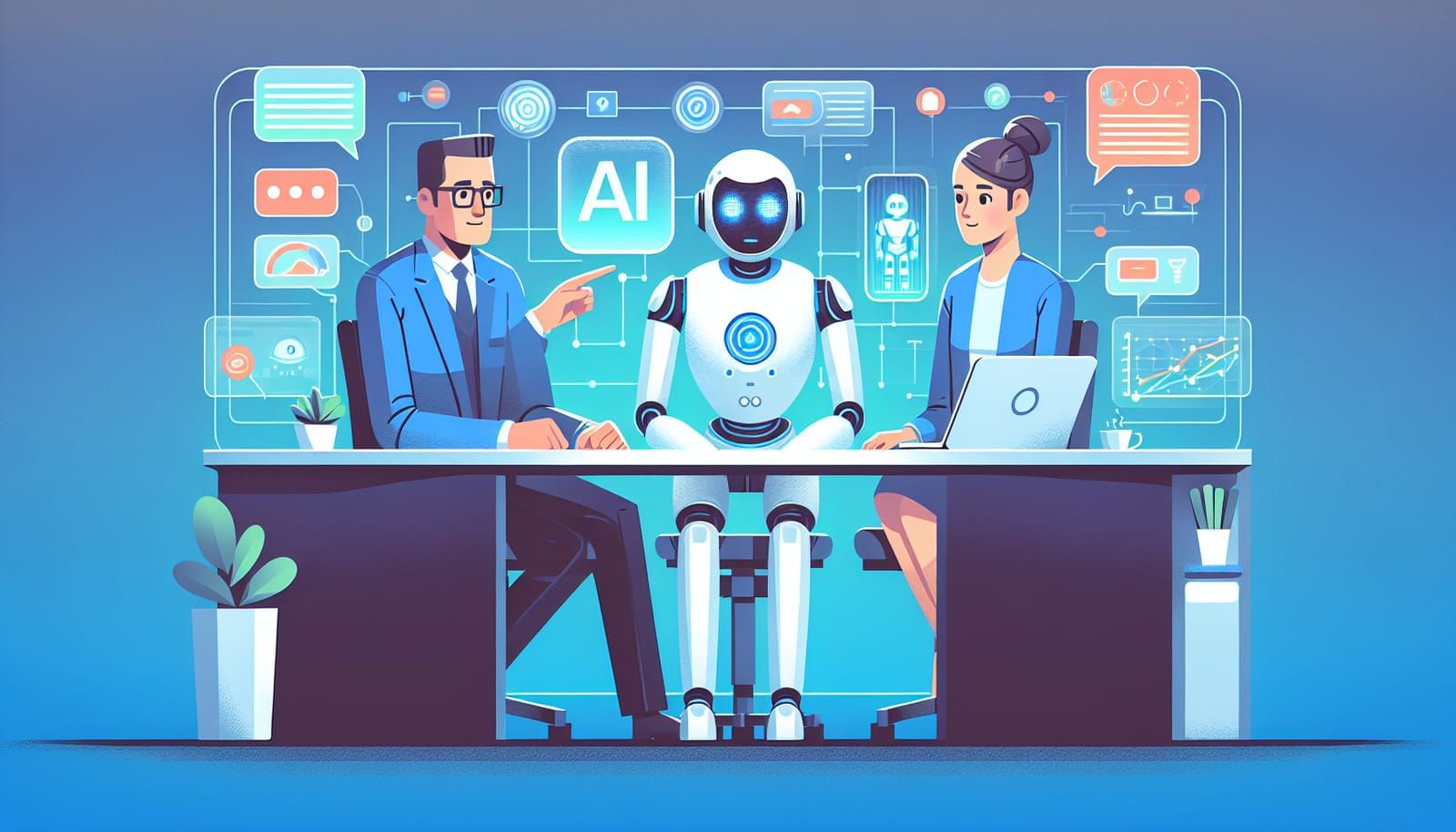
What Does It Mean for AI to Be Your Boss?
Imagine opening a work app and seeing your tasks for the day. It has chosen your next job, estimated how long it should take, and sent you a reminder to get started. No person made that morning plan. Software did.
That is one way AI could act like a boss. It may organize work, suggest schedules, track progress, or recommend decisions. But there is an important difference between helping to manage work and being responsible for people. A computer can process information quickly. People must still decide what is fair, listen when something is wrong, and take responsibility for important choices.
The Boss You Might Never Meet
For many workers, parts of this future are already here. The International Labour Organization calls it algorithmic management: using computer systems to assign, monitor, supervise, or evaluate work. Not every such system uses AI; some follow simple rules set by people.
Think of a delivery app that offers a driver the next order, or a store system that helps build a weekly schedule. The software may use information such as order locations, staffing needs, or past activity to make a suggestion. Depending on how a workplace is set up, a person may review that suggestion—or the system may put it into action automatically.
So when someone says, “AI is my boss,” they might mean the app gives them instructions. They might also mean it influences decisions about their hours or performance. Those are very different levels of power, and the difference matters.
A Day Working With an AI Manager
Picture a busy bakery. Every morning, a system looks at recent sales and suggests how much bread to make. It helps the team plan shifts and notices that a large order needs to be ready by noon.
This could make the day smoother. Instead of spending the first hour sorting through lists, the bakers can start baking. If the system spots that one person has too many tasks, a human manager could use that information to share the work.
Now imagine the system notices that one baker takes longer than usual to finish a batch. It labels that worker “slow.” But perhaps the worker was teaching a new teammate, cleaning up a spill, or repairing a faulty oven. The number alone cannot tell the whole story.
That is the promise and the problem in one small scene: AI can notice patterns, but a pattern is not an explanation. A useful AI manager gives people information and time to ask questions. A poor one treats every number as a final answer.
What Could Get Better?
An AI system can help with the parts of management that feel like a giant puzzle. Who is available? Which tasks are urgent? Is someone being asked to do two things at once? Software can sort through these details quickly and show possible plans.
That might mean fewer scheduling mix-ups, clearer instructions, and quicker help when a team is overloaded. A manager who spends less time moving boxes around a calendar may have more time to teach, solve problems, and talk with staff. Those benefits are possibilities, not guarantees—they depend on how the tool is designed and used.
An OECD study of algorithmic management reports that managers using such tools perceived improvements in the quality of their decisions. The same research also found concerns about unclear responsibility, hard-to-follow decisions, and workers’ well-being. The lesson is not “use the software” or “avoid the software.” It is “pay attention to what happens to people when you use it.”
Where an AI Boss Can Get Things Wrong
Suppose a system judges a customer-service worker by how many calls they finish each hour. One worker takes extra time to help a confused customer solve a difficult problem. Another rushes through calls. If the system counts only speed, it may praise the wrong behavior.
AI can also learn from records that reflect past unfairness. If certain workers were previously given fewer chances to take on important tasks, a system trained on those records might repeat that pattern. A decision can look neat and mathematical while still being unfair.
Then there is privacy. A workplace needs some information to run well, but collecting every click, pause, or message is a different matter. Workers may feel watched rather than supported, especially if they do not know what is being tracked or how it will be used.
These problems are not reasons to give up on helpful technology. They are reasons to ask better questions before trusting it: What is the system measuring? What is it missing? Who can correct a mistake?
Who Makes the Final Decision?
An AI system does not hire itself, choose its own rules, or answer a worker who says, “This is not fair.” People and organizations decide where it is used and how much authority it gets.
For simple, low-stakes tasks—such as sorting a list of routine jobs—automatic help may be convenient. A decision about someone’s pay, opportunities, or continued employment deserves much more care. The NIST AI Risk Management Framework encourages organizations to define human roles and responsibilities clearly when they use AI.
A real human review should be more than a person clicking “approve.” The reviewer needs enough information to understand what happened, enough time to consider the worker’s explanation, and the authority to change the outcome. That is the idea behind human override in an AI-driven world.
What Should Workers Be Able to Ask?
Nobody needs to know how to build an AI system to ask sensible questions about one. If a tool starts affecting your work, these are good places to begin:
- What does it do? Does it suggest tasks, set schedules, or help evaluate performance?
- What information does it use? Is it looking at work-related details, personal details, or both?
- Can I point out missing context? Who will listen if the system gets something wrong?
- Who is responsible? Which person can explain or change an important decision?
- How will we know it helps? Is the team checking whether work has become better, safer, or fairer?
These questions work best when people can ask them without feeling foolish or afraid. A good workplace should want to know when its tools are making mistakes.
You can also use AI in a smaller, more personal way: as a helper rather than a manager. For example, you might ask an approved workplace tool to organize non-sensitive notes into a checklist. Before sharing any work information, check your organization’s rules and follow its guidance on using AI without leaking sensitive information.
The Best Future Boss Is Still Accountable to People
The most exciting version of this future is not an all-powerful computer giving orders. It is a workplace where useful systems handle some of the planning, spot problems early, and help people do their best work.
Human managers still have a vital job. They can hear why a day went badly, recognize effort that a chart cannot show, and make room for someone to learn. Workers have a vital voice, too: they can explain what the system misses and help shape how it is used.
As jobs change alongside AI, the question is not simply whether a machine can assign work. It is whether the people using it have built a workplace where everyone can understand decisions, challenge mistakes, and grow. AI may become part of the management team. The goal is to make it a helpful part—while people remain responsible for one another.