From “Answer My Question” to “Help Me Get It Done”
For many people, the first experience with artificial intelligence was a chatbot. You typed a question, and it typed back an answer. It could explain space, write a poem, summarize a long article, or help with homework. That felt amazing.
But something bigger is now happening.
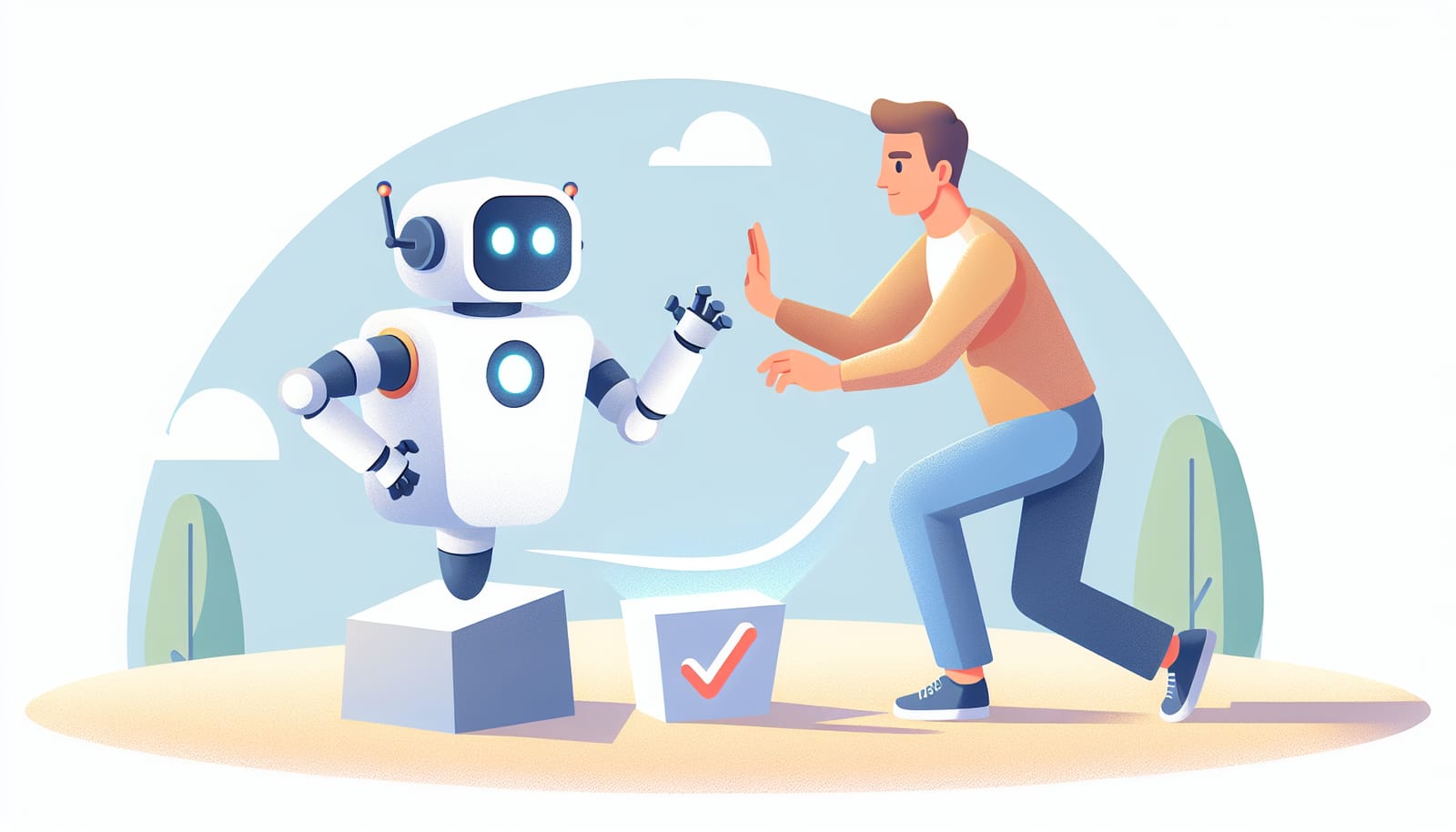
AI is moving from being a chatbot that only talks to being an agent that can help take action. Instead of just answering, “Here is how you plan a trip,” an AI agent may help compare flights, build an itinerary, check your calendar, draft emails, and remind you what to pack.
That is why people are starting to call these systems “AI co-workers.” They are not human. They do not have feelings, real-world experience, or judgment like people do. But they can help with tasks in a way that feels more active, useful, and organized than a simple chatbot.
A chatbot is like asking a smart friend a question.
An AI agent is more like asking a helpful assistant to work through a task with you.
This shift could change how people study, work, create, shop, manage time, and solve everyday problems. The important question is not just “What can AI say?” but “What can AI help us do?”
What Is an AI Agent?
An AI agent is a computer program powered by artificial intelligence that can work toward a goal. It can understand instructions, make a plan, use tools, and sometimes complete several steps without needing you to guide every tiny action.
For example, imagine you say:
“Help me plan a birthday party for Saturday with a superhero theme.”
A simple chatbot might give you a list of ideas.
An AI agent might do more. It could create a shopping list, suggest a schedule, draft invitation text, find decoration ideas, organize a music playlist, and remind you when to order the cake.
The key difference is that an agent can often:
- Remember the goal of the task
- Break the goal into smaller steps
- Use tools like calendars, email, spreadsheets, browsers, or apps
- Ask follow-up questions when needed
- Continue working until the task is finished or ready for your approval
Think of it like a video game character that can follow a mission. You give it a goal, and it figures out the path. But unlike a game character, an AI agent may be connected to real tools in the real world, so safety and careful design matter a lot.
Why This Is Happening Now
AI agents are becoming more popular because several technologies have improved at the same time.
First, modern AI models are better at understanding normal human language. You no longer need to speak in computer code. You can say, “Please organize these notes into a clear plan,” and the AI can usually understand what you mean.
Second, AI tools are getting better at using other software. Many agents can connect with calendars, documents, customer service systems, coding tools, search engines, and business apps. This allows them to help with real work instead of only producing text.
Third, companies are looking for ways to save time. Many jobs include repetitive tasks: copying information, writing basic reports, checking forms, summarizing meetings, or answering common questions. AI agents can help with some of these tasks, giving people more time for creative, human, and important decisions.
Finally, people are becoming more comfortable with AI. The idea of asking a computer to help write an email or explain a math problem no longer feels strange to many users. As trust grows, people are trying AI for bigger tasks.
Still, this does not mean AI is perfect. Agents can misunderstand instructions, make mistakes, or produce information that sounds correct but is not. That is why humans must stay involved, especially for important decisions.
What AI Co-Workers Can Do
AI agents are already being tested and used in many areas. Some examples are simple and everyday. Others are more advanced.
In offices, AI agents can help summarize meetings, write follow-up messages, organize tasks, update project notes, and search through company information. If a team has a long meeting, an agent can create a summary with action items like, “Maria will send the design by Friday” or “The team will review the budget next week.”
In customer service, agents can answer common questions, help people track orders, explain return policies, or guide users through basic troubleshooting. If the problem is too complex, the AI can pass the conversation to a human worker.
In software development, AI agents can help programmers write code, test software, find bugs, and explain what a piece of code does. They do not replace the need for skilled developers, but they can act like a fast helper that speeds up routine parts of the work.
In education, AI agents can become personalized tutors. One student might need help with fractions. Another might need help writing an essay. An AI tutor can adjust explanations to fit the learner’s level, give practice questions, and repeat ideas patiently.
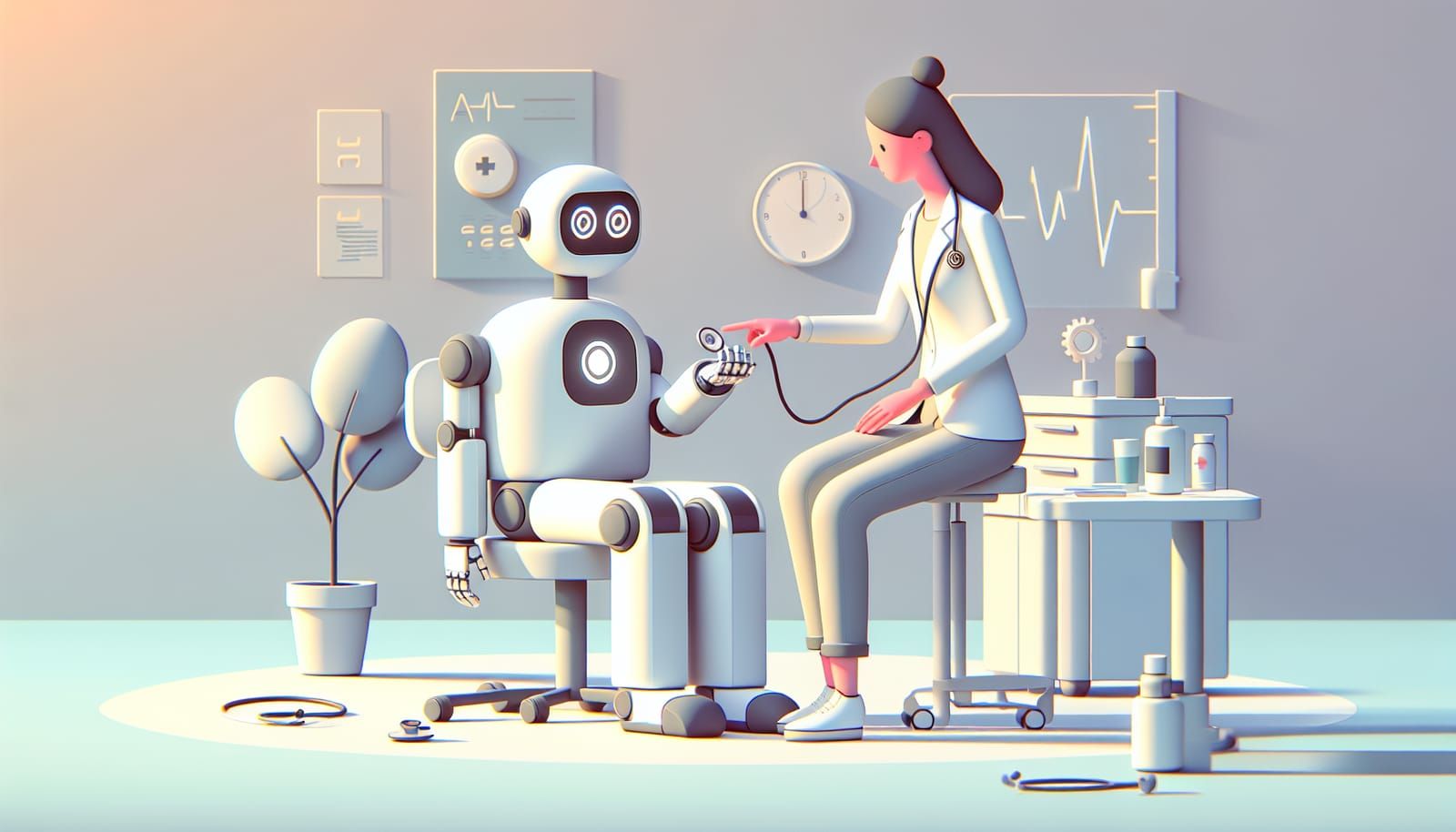
In healthcare, AI tools can help with administrative work such as summarizing notes, organizing patient records, or helping doctors find relevant information. However, medical decisions still require trained professionals, strict privacy protections, and careful review.
In daily life, AI agents could help plan meals, compare prices, organize family schedules, prepare travel plans, create workout routines, or draft polite messages when you do not know what to say.
The common theme is simple: AI agents are useful when a task has steps, information, and organization.
What Changes for Workers?
When people hear “AI co-worker,” they may wonder, “Will AI take jobs?”
The honest answer is that AI will change many jobs. Some tasks may become automated. Some jobs may shrink. New jobs may also appear. This has happened before with machines, computers, the internet, and smartphones.
But the most likely short-term change is that many workers will use AI as a tool. Just as people use calculators, spell checkers, search engines, and spreadsheets, they may use AI agents to work faster and smarter.
For example, a marketing worker may use AI to create first drafts of campaign ideas. A teacher may use AI to prepare lesson examples. A small business owner may use AI to organize invoices or respond to customer messages. A lawyer may use AI to summarize long documents, while still checking the work carefully.
The human role becomes more focused on judgment, creativity, ethics, emotional intelligence, and final decisions. AI can suggest. Humans decide.
This means future workers may need new skills. Not necessarily coding skills, but “AI teamwork” skills. People will need to learn how to give clear instructions, check AI output, protect private information, and know when not to use AI.
A person who can work well with AI may have an advantage, just like someone who learned to use computers well in the past.
[fact[ Fact: AI agents are different from basic chatbots because they can often connect to tools, remember goals, and complete multi-step tasks with human guidance. ]tip]
What Changes for Schools?
Schools may be one of the most exciting places for AI agents.
For students, AI can make learning feel less scary. A child who is embarrassed to ask a question in class can ask an AI tutor privately. A student who learns slowly can get extra practice. A student who learns quickly can explore harder challenges.
AI can also explain things in different ways. If a student does not understand photosynthesis, the AI might explain it as a kitchen recipe, a factory, or a superhero story. This can make learning more personal and fun.
For teachers, AI can help save time. It can draft worksheets, suggest activities, create reading questions, summarize student feedback, or help plan lessons. This gives teachers more time to focus on students as people.
But schools also need clear rules. Students should not use AI to cheat or pretend AI work is their own. Instead, they should learn to use AI like a coach. A calculator helps with math, but students still need to understand numbers. AI can help with writing, but students still need to learn how to think, organize ideas, and communicate.
The best future is not “AI instead of teachers.” It is “AI helping teachers and students.”
What Changes at Home?
At home, AI agents may become everyday helpers.
Imagine a family preparing for a busy week. An AI agent could look at the family calendar, suggest easy dinners, create a grocery list, remind someone about soccer practice, and help plan the weekend. It might help a child study spelling words or help a parent compare insurance plans.
For older adults, AI agents could offer reminders for appointments, help write messages, read text aloud, or explain confusing instructions. For people with disabilities, AI tools can support communication, navigation, reading, and organization.
Creative hobbies could also become easier. Someone who wants to write a story can ask AI to help build characters. Someone who wants to learn guitar can ask for a practice plan. Someone decorating a room can ask for color ideas and a shopping checklist.
The home of the future may include AI that does not just answer questions, but helps manage the little details of daily life.
The Big Questions: Trust, Safety, and Privacy
As AI agents become more powerful, important questions become more urgent.
If an AI can send emails, make purchases, or edit files, who gives permission? What should it be allowed to do alone? What should require a human click of approval?
Privacy is also a major concern. AI agents may need access to personal information to be useful, such as calendars, messages, documents, or spending records. That information must be protected. People should know what data is being used, where it goes, and how to control it.
Accuracy is another challenge. AI systems can make mistakes. Sometimes they “hallucinate,” which means they produce false information that sounds confident. This is why important AI work should be checked, especially in areas like medicine, law, money, and safety.
Bias is also important. AI learns from data created by people, and people can be unfair or biased. Developers must test AI systems carefully so they treat users fairly and do not repeat harmful patterns.
The future of AI agents depends not only on making them powerful, but also making them responsible.
Humans Still Matter Most
Even as AI agents become more helpful, humans remain at the center.
AI does not truly understand life the way people do. It does not love, hope, worry, or care. It does not know what it feels like to be a student nervous before a test, a parent trying to make ends meet, or a nurse comforting a patient.
That human experience matters.
AI can process information quickly. Humans bring meaning.
AI can suggest options. Humans bring values.
AI can help create. Humans bring purpose.
The best AI co-worker is not a replacement for people. It is a tool that helps people do more of what they are best at: imagining, caring, leading, building, teaching, and solving problems together.
What Comes Next?
The next stage of AI will likely feel less like opening a chatbot and more like working with a digital teammate. Instead of using one AI box for every question, people may have agents inside the tools they already use: email, phones, school platforms, office software, shopping apps, and creative programs.
These agents may become more personalized. They might learn your writing style, your schedule, your favorite ways to study, or the kinds of projects you care about. They may also become better at working together, with one agent handling research, another organizing tasks, and another checking facts.
But progress will need balance. We should be excited, but not careless. We should be curious, but not blindly trusting. We should use AI to lift people up, not leave people behind.
The move from chatbots to co-workers is one of the biggest technology shifts of our time. It could make work easier, learning more personal, and creativity more available to everyone.
The future may not be about humans versus AI.
It may be about humans with AI — building, learning, and dreaming bigger than before.