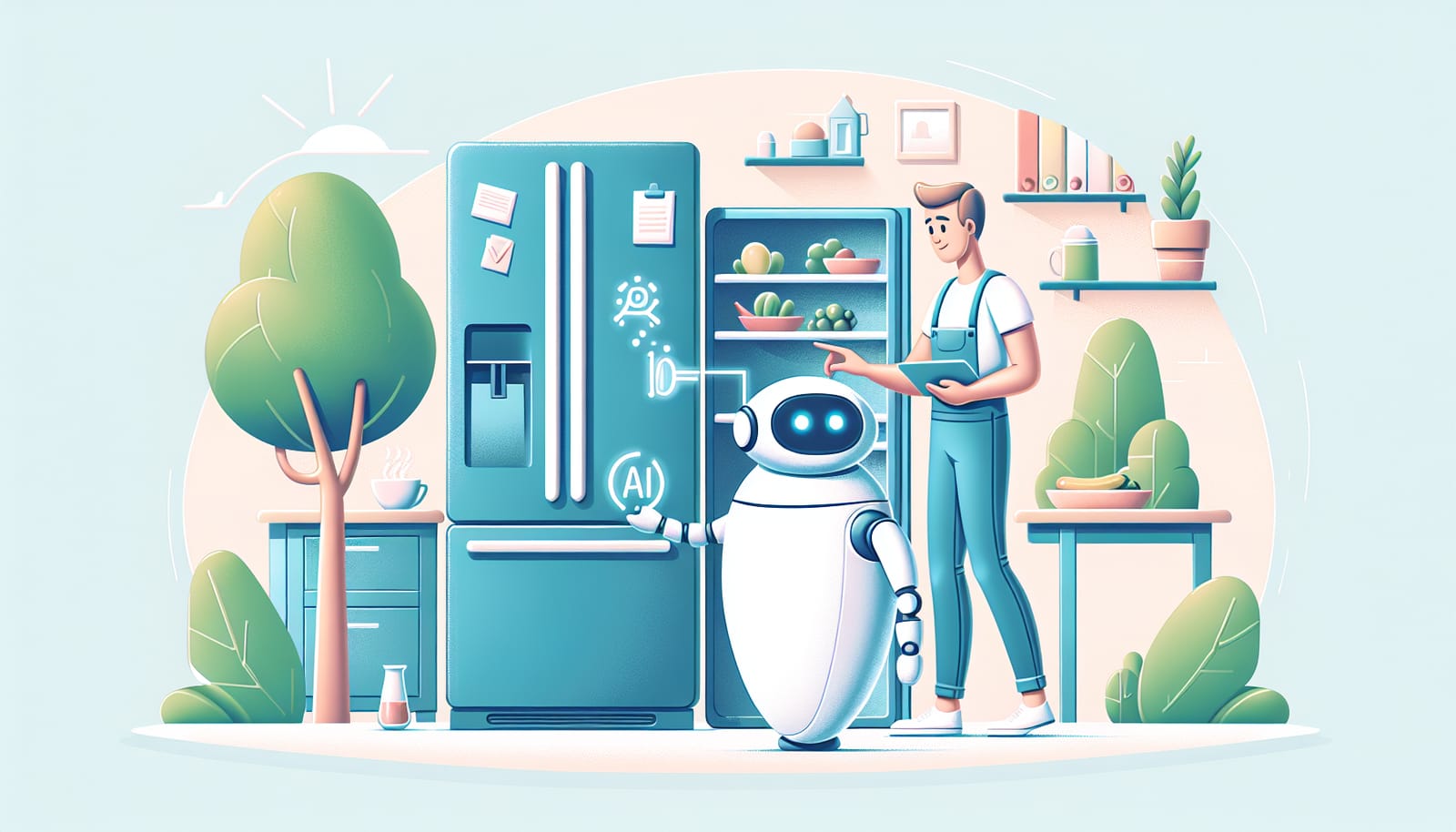
Meet the Helpers: Chatbots and AI Agents
Artificial intelligence, or AI, can feel like a big, mysterious idea. But at its heart, AI is about creating computer systems that can do tasks that normally require human intelligence—like understanding language, recognizing patterns, solving problems, or making suggestions.
Two AI words you may hear a lot are chatbot and AI agent. They sound similar, and sometimes they even look similar. You might type a question into a box, and the AI answers you. Simple, right?
But there is an important difference:
A chatbot is usually designed to talk with you.
An AI agent is designed to do things for you.
That may sound like a small difference, but it is actually a big one. Imagine the difference between asking someone for directions and asking someone to drive you to your destination. Both are helpful—but one only gives information, while the other takes action.
In this article, we’ll explore what AI agents are, how they are different from chatbots, and why they are becoming one of the most exciting ideas in technology today.
What Is a Chatbot?
A chatbot is a computer program that can have a conversation with a person. You type or speak something, and the chatbot responds.
You may have already used chatbots without realizing it. For example, a chatbot might help you:
- Track a package
- Answer questions about a store’s opening hours
- Help reset a password
- Suggest a recipe
- Explain a school subject
- Help write an email
- Give customer support
Some chatbots are very simple. They follow a fixed set of rules, like a phone menu: “Press 1 for billing, press 2 for support.” If you ask something outside their rules, they may get confused.
Modern AI chatbots are much more advanced. They can understand natural language, which means you can talk to them more like you would talk to a person. Tools like ChatGPT, Claude, Gemini, and others can explain ideas, summarize text, brainstorm stories, help with coding, translate languages, and much more.
Still, the main job of a chatbot is usually to respond. You ask, it answers. You request, it replies.
Think of a chatbot like a very knowledgeable helper sitting at a desk. It can explain, suggest, and guide—but in many cases, it does not go out into the world and complete tasks on its own.
What Is an AI Agent?
An AI agent is a system that can use AI to understand a goal, make decisions, and take actions to achieve that goal.
That definition may sound technical, so let’s make it simple.
An AI agent is like a digital helper that can:
- Understand what you want
- Make a plan
- Use tools or information
- Take steps toward the goal
- Check results
- Adjust if something goes wrong
For example, imagine you say:
“Plan a weekend trip for my family to Chicago. Find a hotel under $200 per night, suggest activities for kids, and make a schedule.”
A basic chatbot might give you a list of ideas.
An AI agent could potentially do more. It might search travel sites, compare hotels, check distances, create an itinerary, add events to your calendar, and even help start bookings—depending on what tools and permissions it has.
The key idea is that AI agents are not just about conversation. They are about action.
An AI agent may use many tools, such as:
- Web browsers
- Calendars
- Email apps
- Maps
- Databases
- Shopping websites
- Coding tools
- Spreadsheets
- Company software
If a chatbot is like a talking assistant, an AI agent is like a talking assistant with hands, tools, and a to-do list.
The Biggest Difference: Talking vs. Doing
The simplest way to understand the difference is this:
- A chatbot talks with you.
- An AI agent can work toward a goal.
Let’s compare them with a few everyday examples.
If you ask a chatbot, “What should I make for dinner?” it may suggest pasta, soup, or tacos.
If you ask an AI agent, it might check what ingredients you already have, find a recipe, create a shopping list, order groceries, and set a cooking reminder.
If you ask a chatbot, “How do I organize my homework?” it may give study tips.
If you ask an AI agent, it might sort your assignments by due date, add them to a calendar, remind you when to work, and help break big projects into smaller steps.
If you ask a chatbot, “Can you help me with my business emails?” it may draft a message.
If you ask an AI agent, it might read incoming emails, identify which ones are important, draft replies, schedule meetings, and flag urgent messages for you to review.
That is the magic of agents: they can often connect thinking with doing.
How Does an AI Agent Work?
An AI agent usually has a few important parts working together.
First, it needs a goal. The goal might come from a person, like “help me plan my week,” or it might be built into the system, like “monitor this machine and alert someone if there is a problem.”
Second, it needs information. It may use what you type, files you share, websites it can access, or data from apps.
Third, it needs a way to reason, which means thinking through steps. Modern AI models can help agents decide what to do next. For example: “To plan a trip, I need dates, budget, location, hotel options, activities, and travel time.”
Fourth, it needs tools. This is one of the most important parts. Without tools, an AI system may only be able to give advice. With tools, it can take action—like sending a message, searching the web, making a chart, or updating a document.
Finally, an AI agent needs feedback. It checks whether its actions worked. If the hotel is too expensive, it searches again. If a calendar time is full, it chooses another time. If it does not know something, it may ask you a question.
This loop—understand, plan, act, check—is what makes agents powerful.
A Simple Example: The Robot Librarian
Let’s imagine a friendly robot librarian named Ava.
If Ava were a chatbot, you could ask, “What is a good book about dinosaurs?” Ava might answer, “You might enjoy National Geographic Kids: Dinosaurs or The Rise and Fall of the Dinosaurs.”
That is useful.
But if Ava were an AI agent, she could do more. She might search the library catalog, check which dinosaur books are available, reserve one for you, send a pickup reminder, and suggest a reading list based on your age and interests.
The chatbot gives an answer.
The agent helps complete the mission.
This does not mean chatbots are bad or old-fashioned. Chatbots are still incredibly useful. In fact, many AI agents include chatbot features because conversation is the easiest way for humans to explain what they want.
The difference is not “chatbot versus agent” like one must defeat the other. It is more like “bicycle versus delivery bike.” Both can move, but one is built to carry more and do a bigger job.
Are AI Agents Always Smarter Than Chatbots?
Not necessarily.
An AI agent can be more capable because it can take actions, but that does not automatically make it smarter, safer, or more accurate. An agent depends on the quality of the AI model, the tools it uses, the instructions it follows, and the information it can access.
A simple chatbot that answers one question very well may be better than an agent that tries to do too much and makes mistakes.
For example, a weather chatbot that accurately tells you today’s forecast is very useful. You do not always need an agent to plan your entire day, move your appointments, and choose your clothes.
Sometimes a simple answer is exactly what you need.
The best tool depends on the job.
Why AI Agents Are So Exciting
AI agents are exciting because they may help people save time, learn faster, and handle complicated tasks more easily.
Imagine an AI study agent that helps a student prepare for a test. It could find weak areas, create practice questions, explain mistakes, and build a study schedule.
Imagine a health administration agent that helps a doctor’s office organize appointments and paperwork, giving medical staff more time to care for patients. Of course, in sensitive areas like healthcare, humans must stay involved and privacy must be protected.
Imagine a small business agent that helps a bakery manage orders, answer common customer questions, track supplies, and remind the owner when ingredients are running low.
Imagine a personal creativity agent that helps someone write music, plan a garden, design a game, or organize a family photo album.
The inspiring part is not that AI replaces human imagination. It is that AI can support it. Agents can handle some of the busywork so people have more time for creativity, problem-solving, learning, and connection.
Why AI Agents Need Rules and Human Oversight
Because AI agents can take action, they must be designed carefully.
A chatbot that gives a wrong answer can be confusing. But an agent that takes the wrong action could cause bigger problems. It might email the wrong person, buy the wrong item, delete the wrong file, or schedule something incorrectly.
That is why good AI agents need safety features, such as:
- Asking permission before important actions
- Showing what they plan to do
- Keeping records of actions
- Limiting what tools they can use
- Protecting private information
- Allowing humans to review decisions
- Stopping when something seems risky
For example, an AI agent might be allowed to draft an email but not send it until you approve. Or it might suggest a purchase but ask before spending money.
This is called human-in-the-loop design. It means people stay involved, especially when decisions are important.
AI can be powerful, but power works best with responsibility.
Common Types of AI Agents
There are many kinds of AI agents, and the technology is still developing quickly. Here are some simple examples:
Personal assistant agents help with calendars, reminders, emails, travel planning, and daily organization.
Research agents search through documents, websites, or databases to gather and summarize information.
Customer service agents help answer questions, solve common problems, and guide customers through steps.
Coding agents help programmers write, test, debug, and explain computer code.
Business workflow agents help with tasks like updating spreadsheets, organizing files, creating reports, or checking inventory.
Learning agents help students practice subjects, review mistakes, and follow personalized study plans.
Some agents are small and focused. Others are more complex and can use several tools. The most useful agents are often the ones that do a specific job clearly and safely.
What AI Agents Can and Cannot Do
AI agents can be impressive, but they are not magic. They do not truly “understand” the world the way humans do. They use patterns, data, instructions, and tools to produce helpful results.
AI agents can:
- Follow instructions
- Break tasks into steps
- Use connected tools
- Summarize information
- Automate repeated work
- Help people make decisions
- Ask questions when they need details
But AI agents can also:
- Make mistakes
- Misunderstand instructions
- Use outdated or incorrect information
- Need human permission
- Struggle with unclear goals
- Fail if their tools do not work properly
This is why it is important to check their work, especially for important topics like money, health, law, school assignments, or safety.
A good way to think about AI is: helpful assistant, not perfect authority.
So, What Should You Use?
If you want to ask questions, brainstorm ideas, write text, summarize something, or learn a new concept, a chatbot may be perfect.
If you want help completing a multi-step task—especially one involving tools, files, schedules, or repeated actions—an AI agent may be more useful.
Here is a simple guide:
Use a chatbot when you want:
- An explanation
- A conversation
- A draft
- A summary
- Ideas
- Quick help
Use an AI agent when you want:
- A task completed
- A plan carried out
- Tools connected
- Progress checked
- Repeated steps automated
- A goal managed over time
Both can be valuable. In fact, the future may include many tools that combine chatbot conversation with agent action.
The Future: AI That Helps Us Do More
AI agents are one of the next big steps in making technology more useful. Instead of only giving answers, computers may increasingly help us complete goals.
But the best future is not one where humans do nothing. It is one where humans and AI work together.
People bring curiosity, kindness, judgment, creativity, values, and real-world experience. AI agents bring speed, memory, pattern-finding, and the ability to handle many digital tasks.
Together, that can be a powerful team.
A child might use AI to learn math in a way that feels like a game. A teacher might use AI to prepare better lessons. A farmer might use AI to monitor crops. An artist might use AI to explore new styles. A scientist might use AI to sort through huge amounts of research.
The goal is not to make people less important. The goal is to give people better tools.
Final Thought: From Answers to Action
So, what is an AI agent—and how is it different from a chatbot?
A chatbot is an AI system that mainly talks with you and gives responses.
An AI agent is an AI system that can work toward a goal, make decisions, use tools, and take actions.
The easiest way to remember it is:
Chatbots answer. Agents act.
Both are part of the exciting world of AI. Both can help us learn, create, and solve problems. And as these technologies improve, understanding the difference will help you choose the right tool for the right job.
AI may seem complicated at first, but the basic idea is simple: it is technology designed to help. Whether it is answering a question or organizing a big project, AI is becoming a new kind of helper—one that can make everyday life a little easier, more creative, and more full of possibility.