The Short Answer
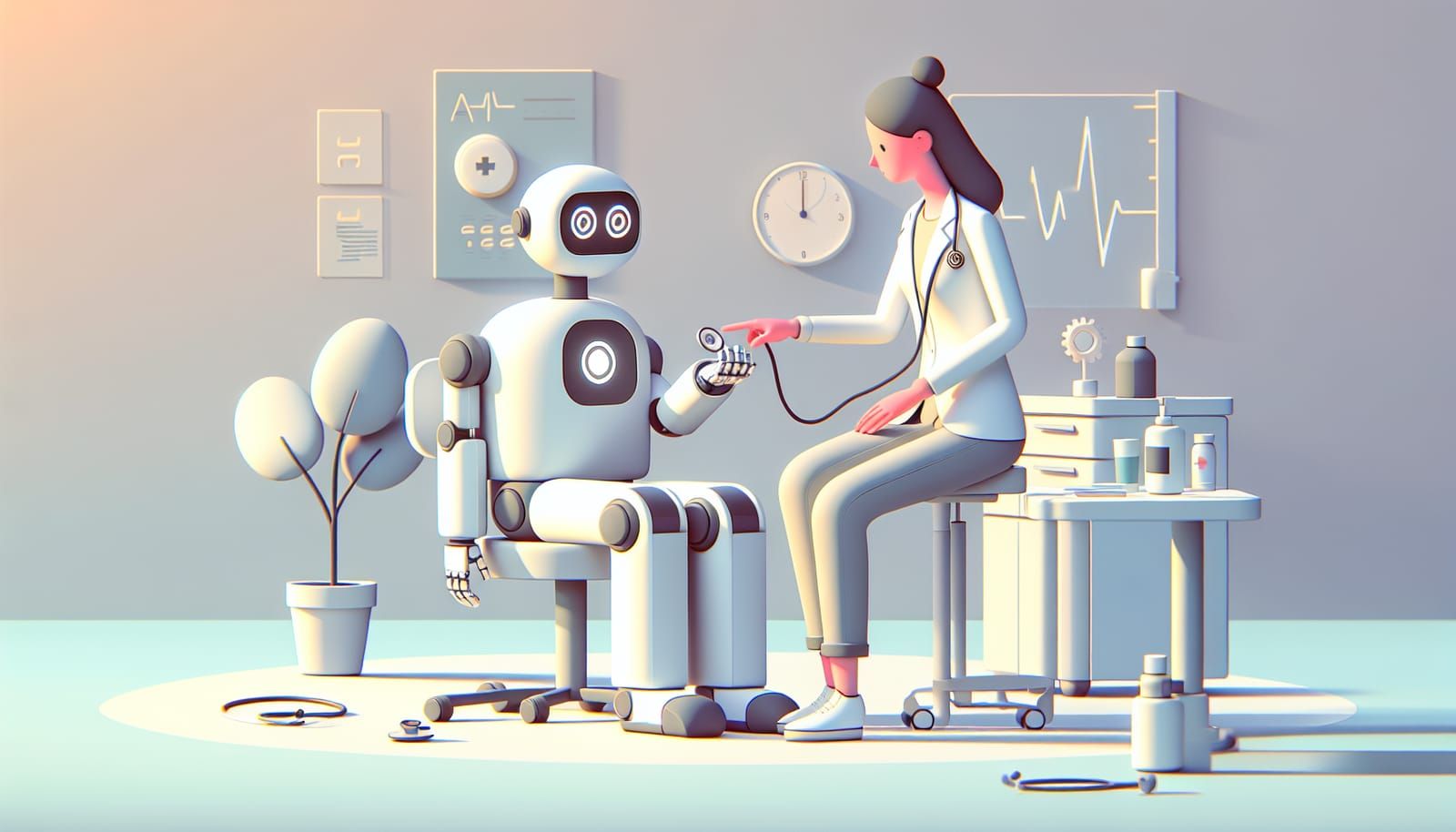
When an AI agent makes a mistake, the AI itself is not usually treated as the responsible party. Responsibility generally remains with the people and organizations that designed, sold, selected, controlled, or used it. Exactly who is accountable depends on what happened, what safeguards existed, and which laws apply.
What Is an AI Agent?
An AI agent is a computer system that can work toward a goal and take actions on a person’s behalf. Unlike a basic chatbot that only answers a question, an agent may be able to use tools, search files, create plans, send messages, update calendars, order products, or control other software.
For example, you might tell an AI travel agent, “Find an affordable hotel and prepare an itinerary.” The agent could compare options, check dates, organize the information, and create a suggested plan.
The more freedom an agent receives, the more useful it can become—but also the more important safety becomes. An agent that can draft an email presents less risk than one that can send it. An agent that recommends a purchase has less power than one that can spend money without asking.
What Counts as an AI Mistake?
An AI mistake is not always a dramatic robot disaster. It can be something small, such as placing a meeting on the wrong day, or something serious, such as giving incorrect medical information.
Common AI agent mistakes include:
- Inventing information: The agent produces a convincing but untrue answer.
- Misunderstanding a goal: It follows the words of an instruction while missing what the person actually meant.
- Choosing the wrong action: It contacts the wrong customer, orders the wrong item, or edits the wrong file.
- Using biased information: It treats people unfairly because of patterns in its training data, rules, or inputs.
- Exposing private data: It shares information with someone who should not receive it.
- Trusting unsafe content: It follows harmful instructions hidden in an email, document, or website.
- Failing to stop: It continues carrying out a plan even after the situation has changed.
Imagine telling an agent, “Cancel all unnecessary appointments.” The agent may not understand which appointments are truly unnecessary. If it cancels a doctor’s visit, the problem is not that it became evil. The problem is that it received a vague instruction, had too much authority, or lacked a sensible approval step.
Responsibility Is a Chain, Not a Single Link
It can be tempting to point at one person and say, “It was their fault.” In reality, AI responsibility often works more like a chain. Several people or organizations may have contributed to the result.
1. The AI Developer or Provider
The company that creates an AI system has a responsibility to design and test it carefully. This can include checking how it behaves, protecting it from common attacks, explaining its limitations, and warning customers about uses for which it is unsuitable.
A provider may share responsibility if it makes misleading promises, hides known risks, supplies weak security, or releases a system without reasonable testing.
However, a developer cannot predict every possible way that millions of people might use a general-purpose tool. That is why responsibility does not end with the builder.
2. The Organization Using the Agent
A business, school, hospital, or government office must decide whether an AI agent is appropriate for a particular job. It should not assume that buying an AI product transfers every risk back to the vendor.
The organization chooses:
- What information the agent can access
- Which actions it can perform
- Whether a human must approve its decisions
- How employees are trained
- How errors are reported and corrected
- Whether the agent should be used for a high-stakes task at all
This idea is central to responsible and safe AI development: responsibility must continue throughout the system’s life, not disappear after the software is launched.
3. The Human Operator
The person operating the agent may also carry some responsibility, especially if they ignore warnings, provide reckless instructions, or approve an obviously incorrect action.
But “a human was involved” is not enough by itself. A tired employee cannot meaningfully supervise hundreds of automated decisions every minute. Human oversight only works when the person has enough time, information, authority, and training to intervene.
4. Managers and Leaders
Leaders decide how much pressure employees face, how quickly an AI system is introduced, and how much money is devoted to safety. If managers demand speed while refusing to fund testing or oversight, the resulting mistake is not simply the fault of the nearest employee.
The US National Institute of Standards and Technology’s voluntary AI Risk Management Framework encourages organizations to govern, map, measure, and manage AI risks throughout the technology’s lifecycle. It also places responsibility for AI risk decisions within organizational leadership.
5. Outside Vendors and Data Providers
An AI agent may depend on several outside services, including a language model, search engine, payment system, database, and cloud provider. A failure in any one of them could contribute to a harmful result.
Contracts can divide duties between companies, but a contract does not automatically erase obligations to customers, workers, or the public.
What Does the Law Say?
There is no universal rule saying that one party is responsible for every AI mistake. The answer can depend on the country, industry, contract, type of damage, and actions of the people involved. Existing rules covering privacy, discrimination, negligence, consumer protection, employment, finance, and product safety may still apply when AI is used.
For example, the US Consumer Financial Protection Bureau has explained that lenders using complex algorithms must still provide specific reasons for certain negative credit decisions. A company cannot avoid that duty simply by saying its AI system is too complicated to understand.
The European Union’s AI Act also assigns different obligations to AI providers and deployers. For certain high-risk systems, deployers may have to follow instructions, monitor operation, respond to incidents, and provide meaningful human oversight. Providers remain responsible for safety and compliance duties connected to their systems.
In simple terms, using AI does not create a responsibility-free zone. “The computer decided” is not a complete answer when people are harmed.
A Better Question: Who Could Have Prevented the Mistake?
Finding responsibility should not be only about punishment. It should also help prevent the same problem from happening again.
Suppose an imaginary customer-service agent incorrectly refunds $5,000 instead of $50. Investigators could ask:
- Was the customer’s request unclear?
- Did the AI misunderstand the numbers?
- Was the system tested with unusual refund requests?
- Why could it approve such a large payment?
- Should a human have confirmed the amount?
- Were its actions recorded in a useful log?
- Did the company respond quickly after discovering the error?
Perhaps the agent made the immediate mistake, but the deeper failure was giving it unlimited refund authority. The best solution may be to require human approval for payments over a certain amount.
This is similar to the wider debate over who should decide what is right or wrong for AI. Machines can follow goals and rules, but humans must choose those goals, examine the consequences, and remain answerable for the system.
A Simple Safety Checklist for AI Agents
Before allowing an AI agent to act, individuals and organizations can ask:
- What is the worst realistic mistake it could make?
- Does it have access to more information than it needs?
- Can it spend money, publish content, or delete data?
- Which actions require human approval?
- Can we review a clear record of what it did?
- Has it been tested with confusing and unusual situations?
- Is there a named person responsible for monitoring it?
- Can we pause or shut it down quickly?
- Is there a way for affected people to question a decision?
- What is the plan for correcting harm and learning from errors?
The level of protection should match the level of risk. A bedtime-story agent does not need the same controls as an agent involved in medicine, hiring, banking, transportation, or public safety.
What Should Happen After a Mistake?
A responsible response begins by stopping ongoing harm. The organization should preserve records, investigate the cause, inform affected people when appropriate, and correct the result wherever possible.
It should then look beyond the final incorrect output. Was the training data poor? Were the instructions confusing? Did a person approve something without enough information? Did management allow the agent to operate too freely?
The goal is not to find a convenient person to blame. It is to understand the entire chain and strengthen its weakest links.
Building a Future Where AI Earns Trust
AI agents could help people organize their lives, learn new subjects, run small businesses, make discoveries, and complete boring work. A future filled with helpful agents can be exciting—as long as greater capability is matched by greater care.
As explored in what a world run by AI might look like, the best future is not one where machines replace human judgment. It is one where machines extend human abilities while people remain involved, informed, and responsible.
When an AI agent makes a mistake, the answer should never be, “Nobody is responsible.” The better answer is: identify who built the system, who gave it power, who was meant to watch it, and who had the ability to prevent or repair the harm.
AI may perform the action, but responsibility must remain human.