Expertise Is Not Disappearing—It Is Changing
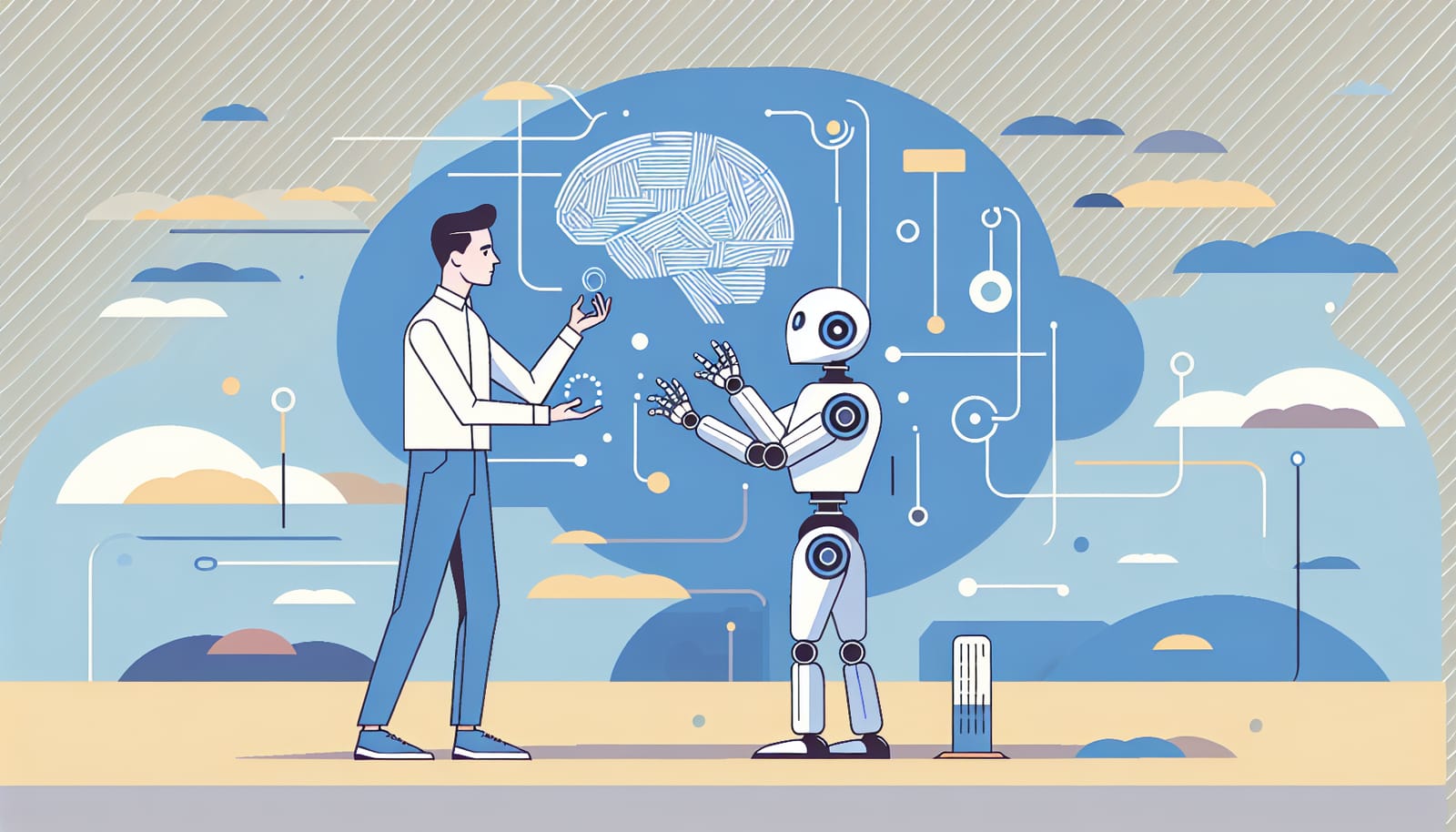
When everyone has an AI adviser, expert knowledge becomes easier to reach—but real expertise does not become automatic. AI can explain ideas, suggest options, and organize information in seconds. Humans must still judge whether its answers are correct, useful, fair, safe, and appropriate for the situation.
This creates an exciting change. More people can ask better questions, explore unfamiliar subjects, and prepare for conversations with professionals. At the same time, experienced people may become even more valuable because they can recognize what an AI adviser has missed.
What Do We Mean by an AI Adviser?
An AI adviser is a computer tool that responds to questions or helps with decisions using patterns learned from large amounts of data. It might explain a difficult school topic, suggest improvements to a business plan, compare travel choices, summarize a document, or help someone prepare questions for a doctor.
It can feel as though a wise person is sitting inside the screen. However, that is not what is happening. As explained in Chatbots Don’t Understand You — They Predict You, a chatbot generates responses by predicting useful sequences of words. It does not understand life, feel concern, or possess personal experience in the human sense.
That does not make AI useless. A calculator does not understand mathematics like a teacher, yet it is still extremely helpful. The important thing is knowing what the tool can do—and what it cannot.
AI Can Raise the Floor of Knowledge
In the past, finding specialized information could take hours, require expensive books, or depend on knowing the right person. An AI adviser can provide a simple starting point almost immediately.
Imagine a new gardener who notices yellow leaves on a tomato plant. AI could list possible causes, explain what signs to check, and help the gardener prepare questions for a local expert. A child could ask for a simple explanation of gravity. A small-business owner could request a checklist for discussing a contract with a lawyer.
This does not instantly turn these people into botanists, physicists, or attorneys. It does, however, help them become better informed.
Workplace research offers a useful example. A large customer-service study found that access to a generative AI assistant increased productivity by 14%, with the greatest benefits going to newer and less experienced workers. Researchers suggested that the system helped spread some of the knowledge used by more capable workers. The Stanford Institute for Human-Centered AI’s explanation of the study shows how AI can help beginners move up the learning curve more quickly.
In other words, AI may reduce the distance between “I know nothing about this” and “I understand enough to begin.”
Information Is Not the Same as Expertise
If everyone can receive an answer, what separates an expert from everyone else?
An expert does much more than remember facts. Expertise usually includes:
- Recognizing important patterns
- Noticing unusual details
- Understanding the surrounding context
- Knowing which questions to ask
- Estimating risk and uncertainty
- Learning from real consequences
- Explaining choices to other people
- Taking responsibility for decisions
Suppose an AI adviser lists five possible reasons why a machine is making a strange noise. An experienced mechanic may notice that one possibility does not fit the machine’s age, maintenance history, or exact sound. That judgment comes from years of connecting knowledge with real situations.
The same is true in teaching, medicine, engineering, law, farming, parenting, art, and countless other fields. AI can supply possible answers, but an expert understands which answer fits this particular moment.
The Expert’s New Job: Direct, Check, and Decide
As AI advisers become common, experts may spend less time recalling routine information and more time guiding how knowledge is used.
Their work will increasingly involve three important actions:
- Direct: Give the AI a clear problem, relevant context, and useful boundaries.
- Check: Examine the response for mistakes, missing information, weak assumptions, or bias.
- Decide: Combine the AI’s suggestions with human experience, values, and responsibility.
This is similar to a ship captain using maps, weather forecasts, radar, and navigation software. These tools provide valuable information, but the captain remains responsible for understanding the conditions and choosing the safest course.
Knowing the difference between finding information and receiving a generated response will also matter. AI Assistants vs. Search Engines explains how search tools can help people locate multiple sources, while assistants are designed for more conversational support.
The best approach will often involve both: use AI to explore the subject, then investigate trustworthy sources before acting.
New Risks Come With Easy Advice
Having a patient, confident adviser available at any hour is convenient. It can also tempt people to trust answers too quickly.
Confident Answers Can Still Be Wrong
AI can produce incorrect, incomplete, or invented information while sounding completely certain. A smooth writing style is not proof of accuracy.
Skills Can Become Weaker Without Practice
If students always ask AI to solve problems, they may miss the thinking required to learn. If professionals accept every suggestion automatically, they may gradually become less prepared to work without the tool.
The goal should not be to avoid AI. It should be to use AI without giving up the mental exercise that builds human ability.
Advice Can Reflect Bias
AI systems learn from human-created data, which can contain missing viewpoints, historical inequalities, and unfair assumptions. The idea of a perfectly neutral machine is misleading, as explored in Bias-Free AI? The Truth Behind the “Objective Machine” Illusion.
Private Information May Not Stay Private
People should avoid entering confidential business information, passwords, private records, or sensitive personal details unless they understand how a particular service handles data.
AI Literacy Becomes Part of Expertise
Reading and writing once transformed who could gain and share knowledge. AI literacy may create a similar shift.
AI literacy does not mean knowing how to build a robot or write complicated computer code. It means understanding enough about AI to use it thoughtfully. The OECD’s AI literacy framework describes AI literacy as knowledge, skills, and attitudes that help people understand these systems, evaluate their outputs, and use them ethically and creatively.
A person with AI literacy knows to ask:
- Where might this answer have come from?
- What information could be missing?
- Does the response include evidence or sources?
- Could bias be affecting the recommendation?
- What might happen if the answer is wrong?
- Is this a decision that requires a qualified human?
- Am I still doing enough thinking to learn?
These questions will be useful for children completing assignments, adults making purchases, employees preparing reports, and leaders making major decisions.
The American Psychological Association’s guidance on AI literacy similarly encourages young people to question AI recommendations, consult multiple sources, and recognize situations in which human expertise remains essential.
Beginners and Experts Will Learn From Each Other
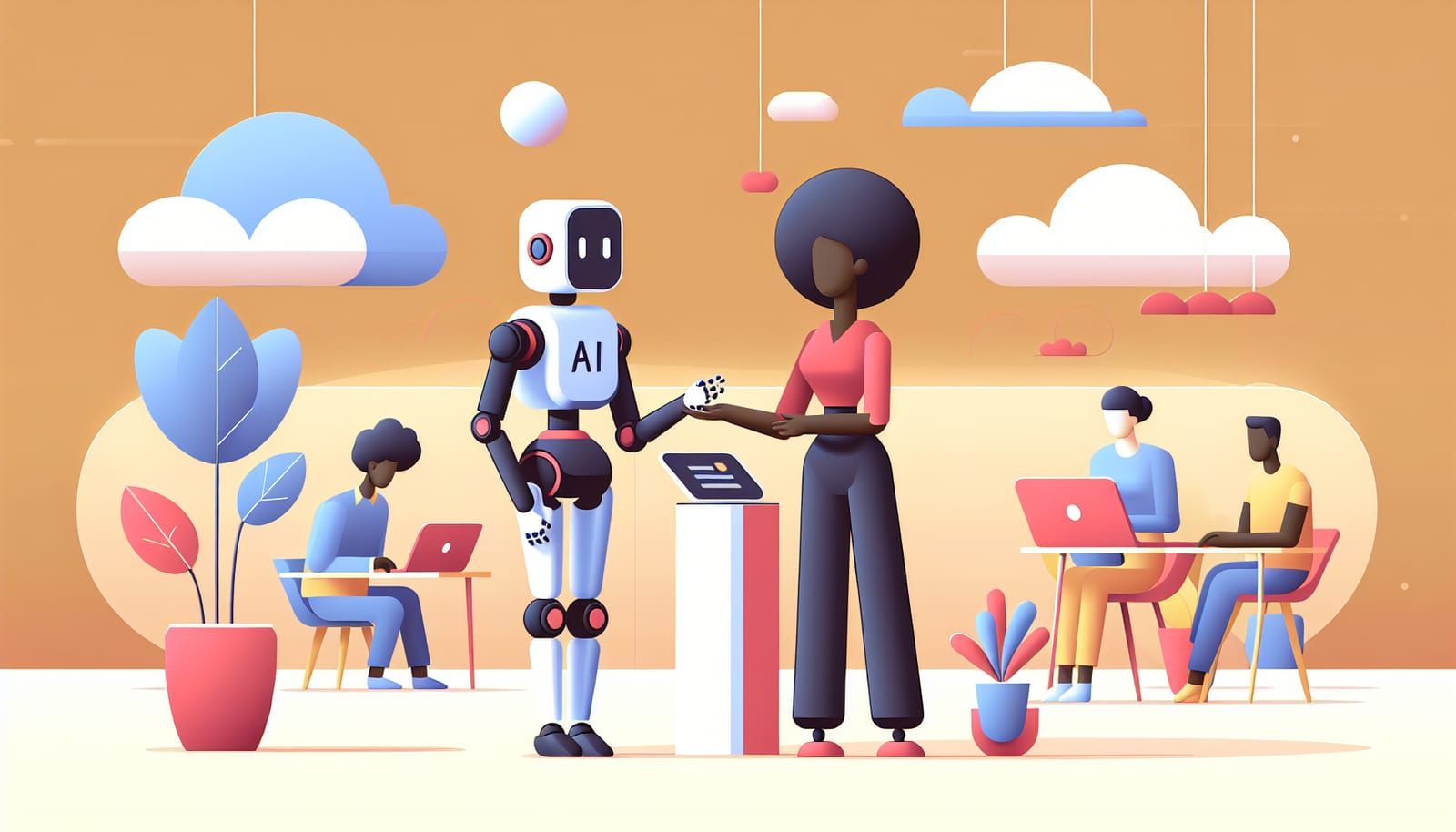
AI could make the relationship between experts and the public more collaborative.
A patient might use AI to learn basic medical terms before an appointment, allowing more time for useful questions. A homeowner might arrive at a repair shop with an organized description of a problem. A student could identify exactly which step in a mathematics lesson is confusing.
Experts, meanwhile, can teach people how to evaluate AI-generated information. Instead of simply saying, “The chatbot is wrong,” they can explain why it is wrong, which clues reveal the problem, and what a better reasoning process looks like.
This exchange can strengthen everyone. The beginner becomes more capable, and the expert becomes a guide who helps others navigate information—not merely a gatekeeper who controls access to it.
High-stakes decisions will still require qualified professionals. AI should not independently diagnose serious illnesses, provide final legal judgments, approve dangerous engineering changes, or make other consequential choices without appropriate human review.
The Most Valuable Skill May Be Knowing When to Doubt
In a world filled with instant answers, wisdom may begin with a pause.
A strong AI user does not reject every response or accept every response. Instead, that person asks, “How much confidence should I place in this answer?”
Low-risk tasks may need only a quick review. If AI suggests names for a pet or ideas for a birthday card, a mistake is unlikely to cause serious harm. Decisions involving health, safety, money, education, employment, or legal rights deserve much more checking.
The level of verification should match the level of possible harm.
This means tomorrow’s experts will not be people who compete with machines to remember the most facts. They will be people who can identify uncertainty, connect knowledge to reality, challenge weak answers, and explain responsible choices.
A Future With More Experts, Not Fewer
AI advisers will not make expertise meaningless. They will change where expertise begins and what it looks like.
Basic knowledge may become easier to access. Beginners may learn faster. Professionals may spend less time on repetitive tasks and more time solving difficult, unusual, or deeply human problems. Teachers may focus more on curiosity and reasoning. Doctors may spend more time discussing personal choices. Skilled workers may use AI to compare possibilities before applying practical experience.
The healthiest future is not humans versus AI. It is humans using AI while protecting the qualities machines cannot truly replace: care, courage, responsibility, lived experience, moral judgment, and an understanding of what matters.
When everyone has an AI adviser, the world may not have fewer experts. It may have more informed beginners, more powerful professionals, and a new kind of expertise built around asking better questions, checking answers, and choosing wisely.