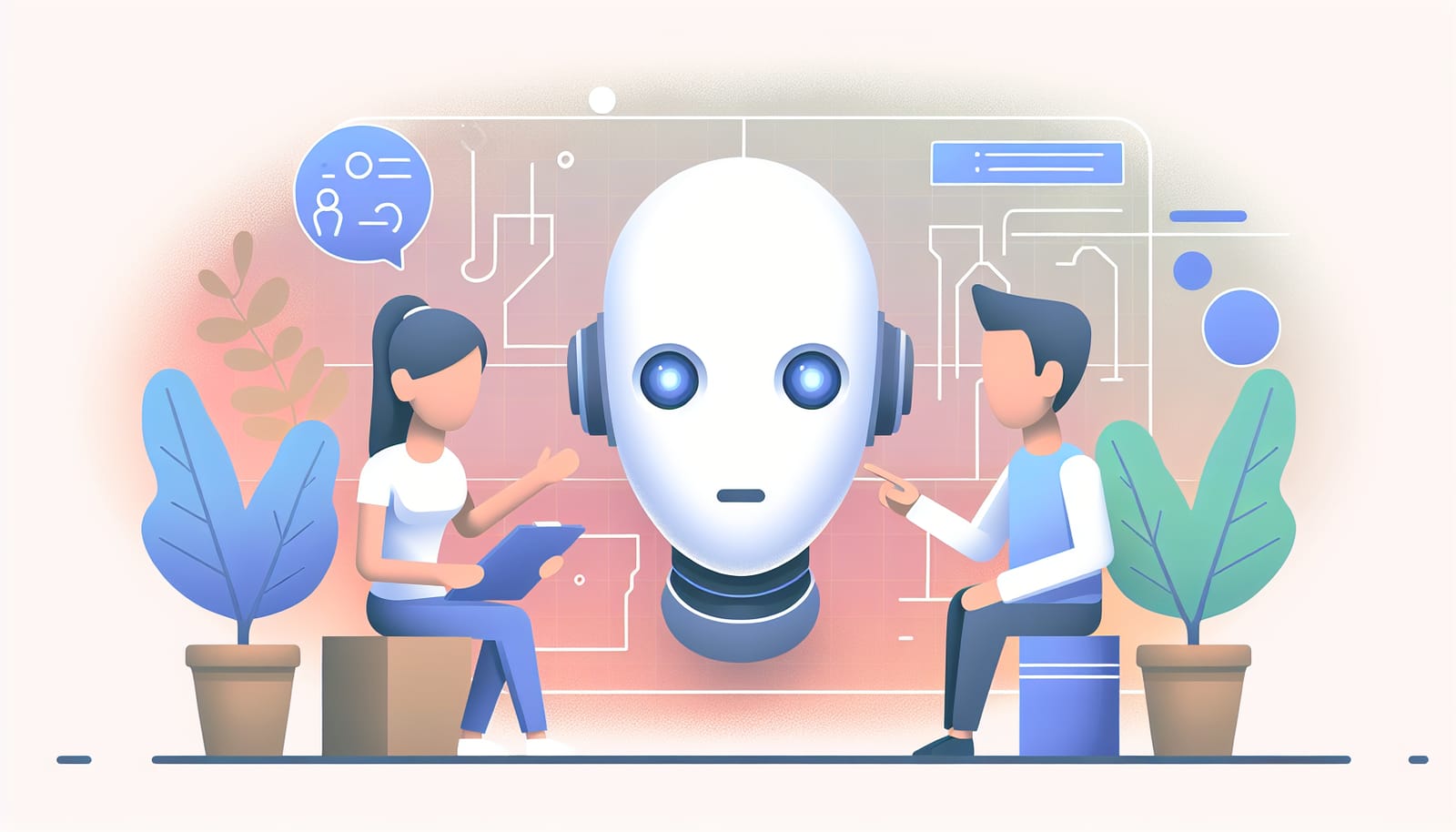
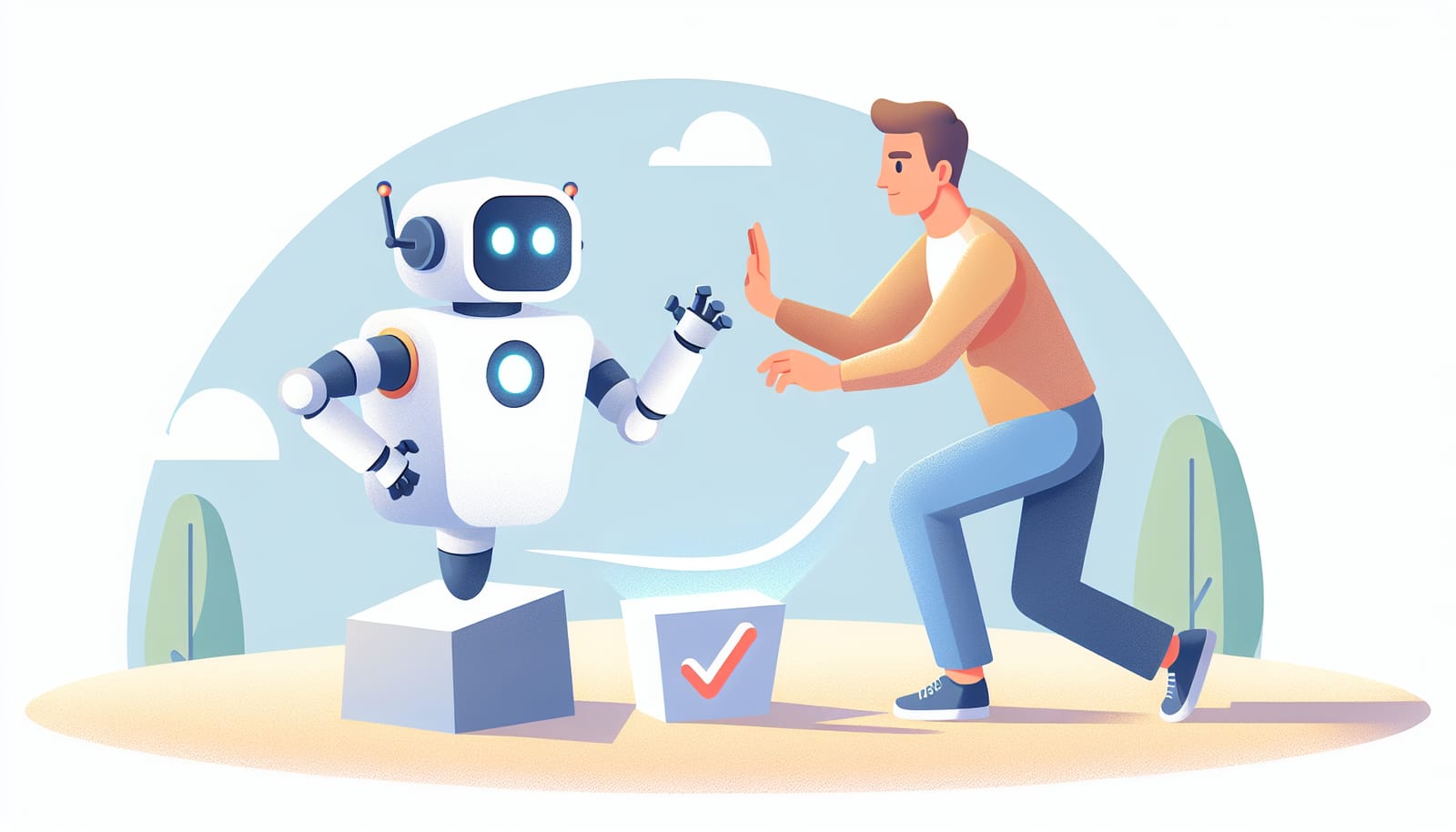
The Short Answer: You Can Choose—But Not Always
Can you completely opt out of artificial intelligence? Probably not. AI already helps run services such as search engines, maps, fraud detection, shopping recommendations, and spam filters. However, people can still make meaningful choices about which AI tools they use, what data they share, and when they want a human involved.
AI Is Already Part of Everyday Life
When people hear “artificial intelligence,” they may imagine talking robots or super-smart computers. In reality, most AI is much quieter.
AI is a type of technology that finds patterns in information and uses those patterns to make predictions, suggestions, or decisions. It may recommend a film, recognize a face in a photo, translate a sentence, or decide which email belongs in a spam folder.
You may encounter AI when you:
- Search the internet
- Use a navigation app
- Shop online
- Apply for a job
- Ask for a loan
- Visit a doctor
- Watch videos
- Use a smart home device
- Contact customer service
This means avoiding every form of AI could become as difficult as avoiding electricity. Even if you never open an AI chatbot, organizations around you may use automated systems to organize information, detect fraud, plan traffic, or manage appointments.
That does not mean choice must disappear. It means we need to think more carefully about what a useful opt-out should look like.
What Does It Mean to Opt Out?
“Opting out” can mean several different things. A person might want to:
- Stop an app from using personal information to train an AI model.
- Turn off an AI-powered feature, such as automatic photo editing.
- Prevent personal data from being sold or shared.
- Ask for a human to review an automated decision.
- Choose a human service instead of a chatbot.
- Avoid AI-generated recommendations or personalized advertising.
- Delete information that an AI assistant has remembered.
These choices are not identical. Turning off recommendations, for example, does not necessarily delete the information already stored about you. Deleting an AI conversation may not automatically remove data held by a different company.
Clear controls matter because AI systems often depend on data. The more information a system has about your interests, activities, location, or habits, the more personalized it can become. That can be helpful, but personalization should not mean losing control.
Future tools such as personal AI data vaults may give people a secure place to manage their information and decide exactly which services can use it.
Why Completely Avoiding AI Will Be Difficult
Imagine deciding never to use AI. You stop using chatbots and turn off recommendations. You pay with cash and visit stores in person.
Even then, AI may still be working in the background. The store could use software to predict how much food to order. A bank could use automated fraud detection when handling the store’s money. Traffic lights might adjust their timing using computer predictions. A delivery company could use AI to plan routes.
This does not mean AI controls everything. It means modern systems are connected. One person can choose not to interact directly with AI, but avoiding every organization that uses it may be unrealistic.
A better goal is meaningful choice. People should be able to understand when AI affects them, decide whether certain uses are acceptable, and challenge important decisions.
This is especially important when AI influences:
- Employment
- Education
- Housing
- Credit and loans
- Insurance
- Healthcare
- Access to public services
A music recommendation is not the same as a rejected job application. The more serious the decision, the stronger the protections should be.
What Rights Do People Have?
AI rights depend on where a person lives, what kind of organization is involved, and how the technology is being used. There is no single worldwide “opt out of AI” button.
In the European Union, data protection rules generally give people the right not to be subject to certain decisions based only on automated processing when those decisions have legal or similarly significant effects. There are exceptions, but safeguards can include the ability to request human involvement, express a point of view, and challenge a decision. The European Commission’s explanation of individual data rights offers more detail.
In California, regulations covering automated decision-making technology became effective on January 1, 2026. They establish rights involving notice, access to meaningful information, and opting out in applicable situations when businesses use automated systems for significant decisions. Businesses must meet the specific automated-decision requirements by January 1, 2027, according to the California Privacy Protection Agency’s consumer guidance.
These protections do not guarantee that every AI system can be refused. However, they show an important direction: organizations may increasingly be expected to explain automation and provide ways for people to respond.
How to Make More Choices Today
You do not need to understand computer programming to take greater control of AI. Start with a few simple habits.
1. Explore the settings
Look for sections labeled:
- Privacy
- Personalization
- AI features
- Data controls
- Advertising
- Memory
- Training
- Permissions
Some services allow you to disable AI features, erase saved memories, stop conversation history, or prevent your content from being used for model improvement.
2. Share less sensitive information
Do not enter passwords, private financial details, confidential work documents, or highly personal records into an AI tool unless you understand how that information will be handled.
Treat an AI conversation more like information sent to an online service than a private thought written in a paper notebook.
3. Ask whether AI was involved
If you receive an unexpected decision about a job, loan, school application, insurance policy, or important service, ask:
- Was an automated system used?
- What information did it consider?
- Can a person review the result?
- How can I correct inaccurate information?
- Is there an appeal process?
4. Keep useful records
Save important emails, notices, application details, screenshots, and reference numbers. If an automated system makes a mistake, these records may help you explain what happened.
5. Choose services that respect your preferences
Companies notice what customers value. When people choose products with clear privacy controls, understandable explanations, and human support, they encourage better design.
Learning about the ethics of AI can also help families discuss what responsible technology should look like.
What Meaningful Choice Should Look Like
A tiny “accept” button is not meaningful choice if the alternative makes a service impossible to use. A 40-page privacy policy is not true transparency if ordinary people cannot understand it.
Good AI choice should include several levels:
- Notice: Tell people when AI is being used.
- Explanation: Describe what the system does in simple language.
- Control: Allow optional features to be turned off.
- Alternative: Provide a reasonable manual or human process when appropriate.
- Review: Let a qualified person reconsider important decisions.
- Correction: Allow people to fix inaccurate information.
- Appeal: Provide a clear path for challenging harmful outcomes.
The goal should not be to add a human button to every calculator, spam filter, or weather forecast. Human review matters most when a system affects someone’s opportunities, rights, safety, health, or future.
The U.S. National Institute of Standards and Technology describes trustworthy AI as involving qualities such as reliability, safety, accountability, transparency, explainability, privacy, and fairness. Its AI Risk Management Framework is voluntary, but it gives organizations a practical way to think about responsible AI.
Choice Is About More Than Saying No
The future of choice is not simply a battle between using AI and rejecting it. Most people will want something in between.
A student might welcome an AI tutor but refuse permission for private conversations to be used for advertising. A patient might accept AI assistance in examining a medical scan but still want a doctor to explain the result. A worker might use AI to organize tasks while objecting to invisible monitoring.
In other words, the best question may not be, “Can I opt out of all AI?”
It may be:
“Which uses of AI do I accept, under what conditions, and who remains responsible?”
That question places people at the center. It also connects to the larger challenge of creating AI that reflects human values.
Building a Future With Real Choice
A positive AI future does not require every person to love every new technology. It requires room for curiosity, caution, disagreement, and change.
Children should be able to learn with AI without surrendering unnecessary personal information. Older adults should not be forced through confusing automated systems when they need human help. People with disabilities should gain more access and independence, not encounter new digital barriers. Everyone should be able to question an important automated decision.
We may never have the ability to leave every form of AI behind. Yet we can build something better than a single all-or-nothing choice.
We can create a world where AI is visible when it matters, optional when possible, carefully supervised when necessary, and always designed to serve people. The future of choice will depend not only on what machines can do, but on what humans decide they should be allowed to do.